E-commerce fulfillment
Promotion peaks, high SKU depth and short cutoffs stress goods-to-person buffering, shuttle replenishment and recirculation capacity.
Horizontal stories for e-commerce, grocery, manufacturing and cold chain—each rewritten by SKU depth, selectivity needs and recovery expectations.
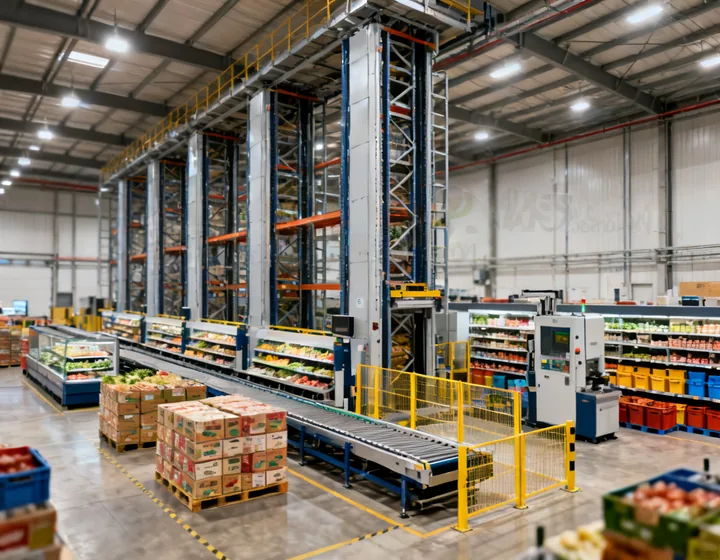
Promotion peaks, high SKU depth and short cutoffs stress goods-to-person buffering, shuttle replenishment and recirculation capacity.
Store aisle sequencing and mixed case sizes rewrite putaway priority and mixed-SKU pallet patterns before retrieval waves close.
Line-side tote and pallet handoffs must respect takt, work-order status and blocked-station response from the storage system.
Door-open budgets, frost on sensors and safe recovery access change during prolonged temperature-controlled stops.
Client-separated inventory and contract peaks demand clear selectivity rules so one client's wave does not starve another aisle.
These narrative cards show how an operating profile alters design questions. They are not named customer references or verified before/after percentages.
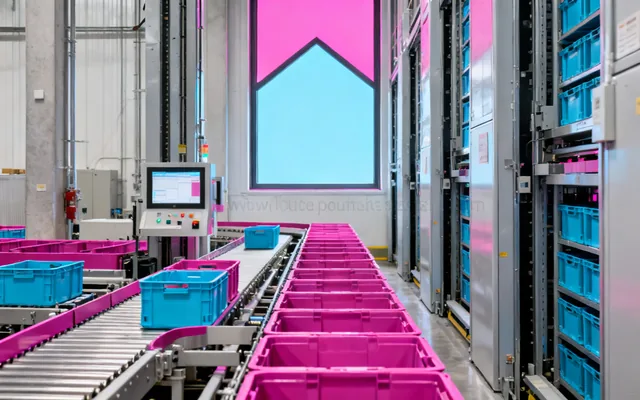
A fulfillment profile with 12,000+ active SKUs and a four-hour promotion peak required explicit buffer occupancy limits and shuttle replenishment cadence before inventory cube utilization targets could be locked.
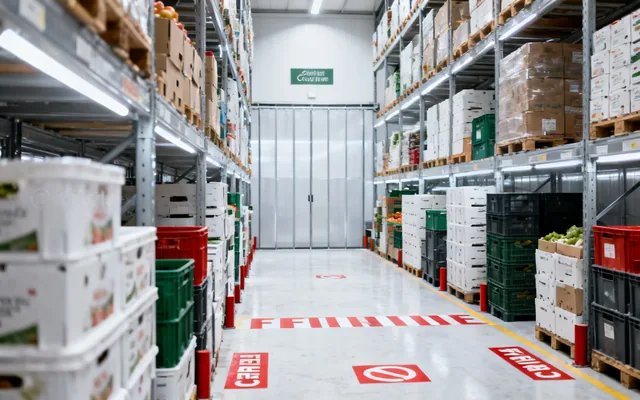
Grocery shipping needed enough direct access for short-dated SKUs while still gaining density on ambient fast movers—selectivity and temperature zones were designed together.
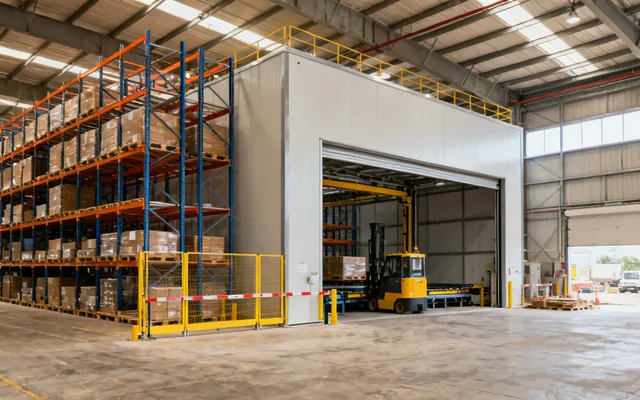
A multi-zone DC kept shipping live by releasing one retrieval bank at a time, with a documented fallback pack path and rollback trigger tied to SAT observation windows.
These are industry trade-offs, not brand slogans. State which side your operating profile can sustain before locking density or control architecture.
One view prioritizes maximum inventory cube utilization under a stable SKU velocity profile. The opposing view prioritizes selectivity, maintenance isolation and recovery when exceptions dominate. SSI Schaefer asks both sides to publish the same SKU velocity mix and peak duration before either claim is compared.
Headline retrievals-per-hour can conflict with buffer occupancy limits, redundant aisles and graceful degradation when a crane or shuttle is offline. Neither side removes the need for a throughput acceptance test tied to FAT and SAT evidence.
Fixed automation versus flexible robotics: deterministic AS/RS and shuttle machinery usually wins on stable, high deterministic capacity for known load profiles; flexible robotics can adapt induction or goods-to-person cells faster when SKU mix changes weekly. Hybrid scopes are common—fixed storage with a robotic pick module—provided functional safety and performance level (PL) allocations are documented for each cell. Centralized WCS/WES versus modular PLC orchestration remains a separate architecture choice with its own ownership matrix.
Identify SKU depth, peak factor, temperature zones and whether density or selectivity is the binding constraint.