
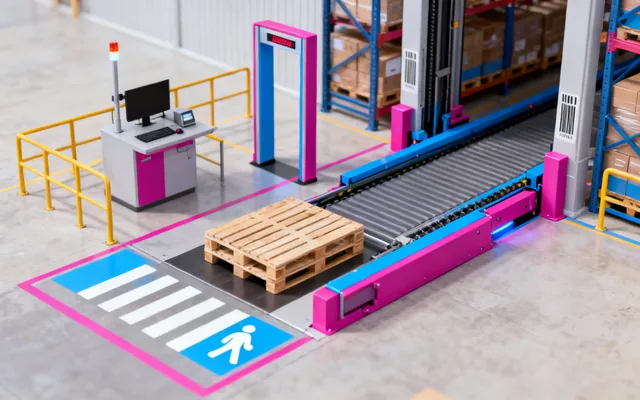
Inbound putaway staging
Receiving still needs pallet integrity rules, temporary lane ownership and putaway release timing before AS/RS travel rates become useful.
Balance inventory cube utilization with selectivity, fire access and recovery so design rate stays tied to SKU velocity, order lines per hour, buffering and exception handling—not a clean-run headline.
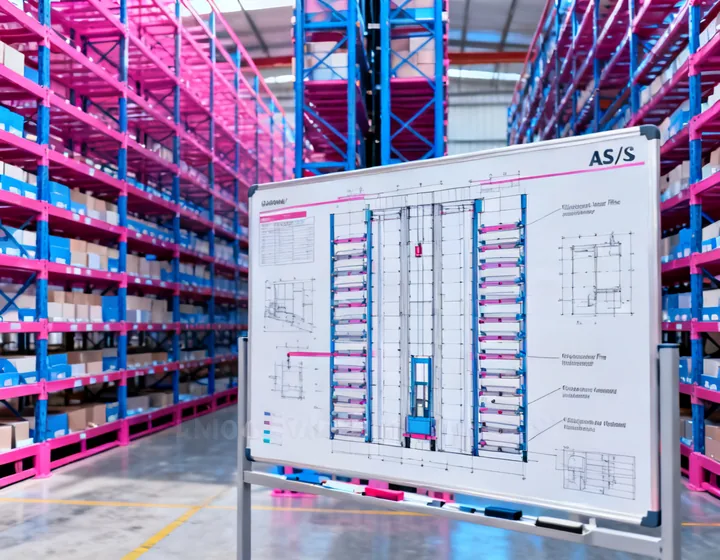
Each workstream converts an operational concern into measurable inputs, interface states and evidence that procurement, rack engineering, controls and EHS can review together.
Cards follow material flow rather than abstract technology labels. Open an inquiry when load units, aisle geometry and peak assumptions are known.
Receiving still needs pallet integrity rules, temporary lane ownership and putaway release timing before AS/RS travel rates become useful.
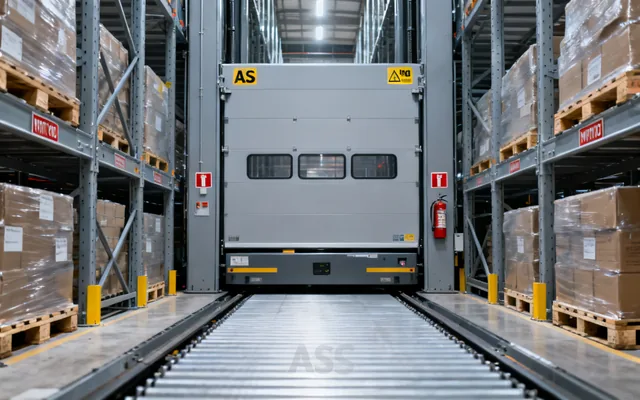
Inventory cube utilization must keep selectivity, rack load rating, beam deflection limits and recovery pull-outs explicit—density alone is not a complete concept.
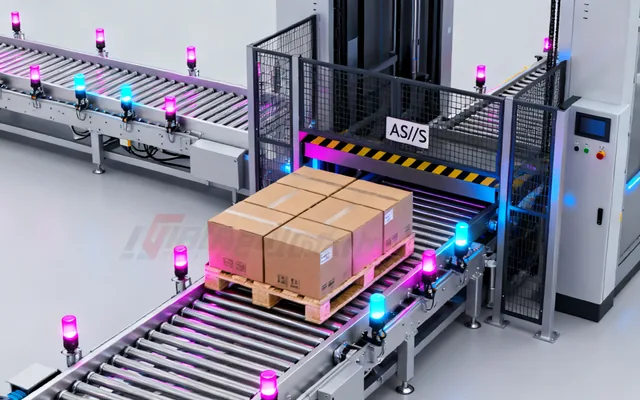
Mission timing is defined with merge logic, buffer occupancy limits and the recovery path when a destination cannot accept a load unit.
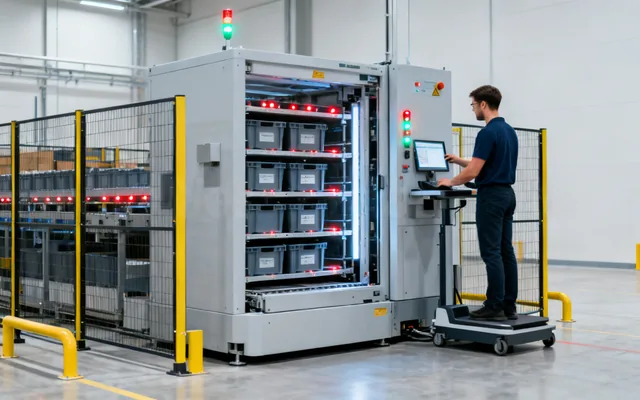
Pick-rate statements require SKU velocity bands, order lines per hour, replenishment cadence and exception handling stated with the peak window.
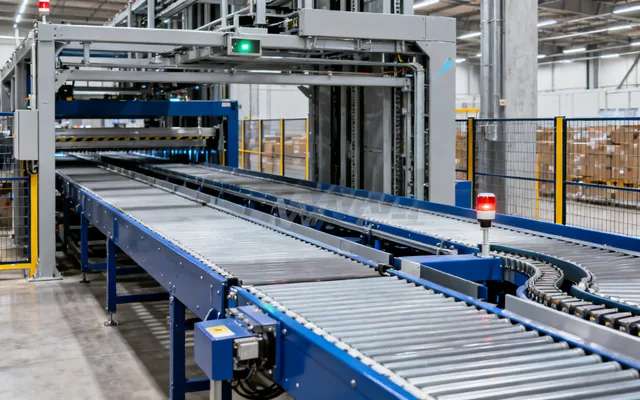
Divert accuracy and recirculation debt belong in the same brief as storage throughput when destinations reject loads during waves.
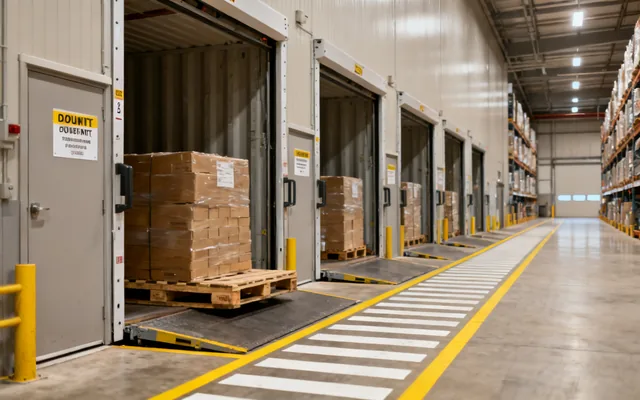
Door ownership, carrier cutoffs and staging dwell change how much buffer the storage system must absorb before a ship wave closes.
Figures above are generated-range planning values from brand configuration. They are not independently verified public claims and must not be treated as certified performance or installed-base facts.
SKU depth, peak factor, temperature and pallet/tote mix must travel together. Mobile cards keep the same fields when the matrix collapses.
| Vertical | SKU depth | Peak factor | Temperature | Load-unit mix |
|---|---|---|---|---|
| E-commerce fulfillment | Very high | Promotion waves | Ambient | Tote / carton heavy |
| Grocery distribution | High | Store cutoffs | Ambient + chilled | Case / tote |
| Cold chain | Medium-high | Door-window limited | Chilled / frozen | Pallet / tote |
| Manufacturing supply | Medium | Line-side takt | Ambient | Pallet / tote |
| Multi-client 3PL staging | Variable by client | Contract peaks | Mixed zones | Pallet dominant |
SKU depth: Very high · Peak: Promotion waves · Temp: Ambient · Mix: Tote / carton heavy
SKU depth: High · Peak: Store cutoffs · Temp: Ambient + chilled · Mix: Case / tote
SKU depth: Medium-high · Peak: Door-window limited · Temp: Chilled / frozen · Mix: Pallet / tote
SKU depth: Medium · Peak: Line-side takt · Temp: Ambient · Mix: Pallet / tote
SKU depth: Variable · Peak: Contract peaks · Temp: Mixed zones · Mix: Pallet dominant
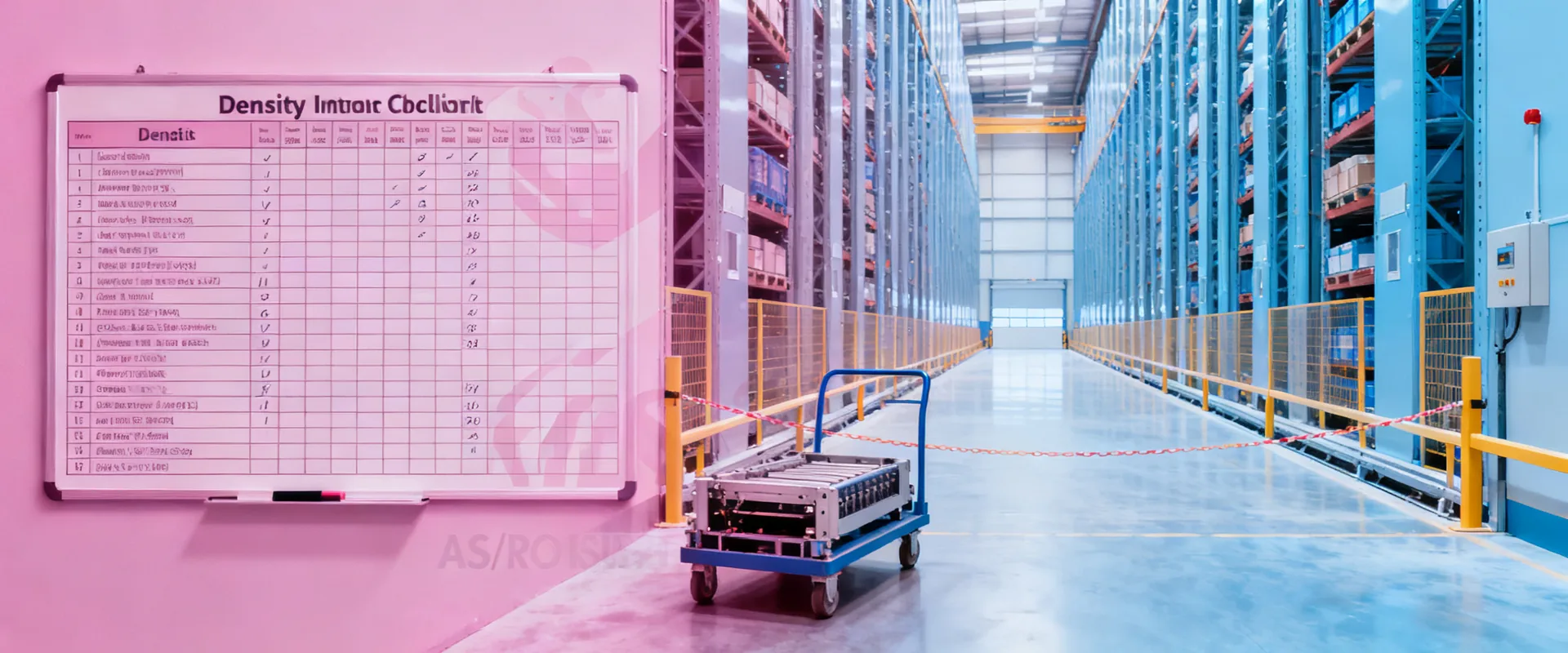
Share load dimensions, SKU velocity, peak duration, aisle clear width targets and whether selectivity or maximum density is the non-negotiable constraint.
Contact SSI Schaefer engineering